
Home » Solar Panel Decommissioning
Solar systems eventually reach the end of their useful life. Some projects are retired because of age, storm damage, lower efficiency, equipment upgrades, land use changes, expiring agreements, or full site redevelopment.
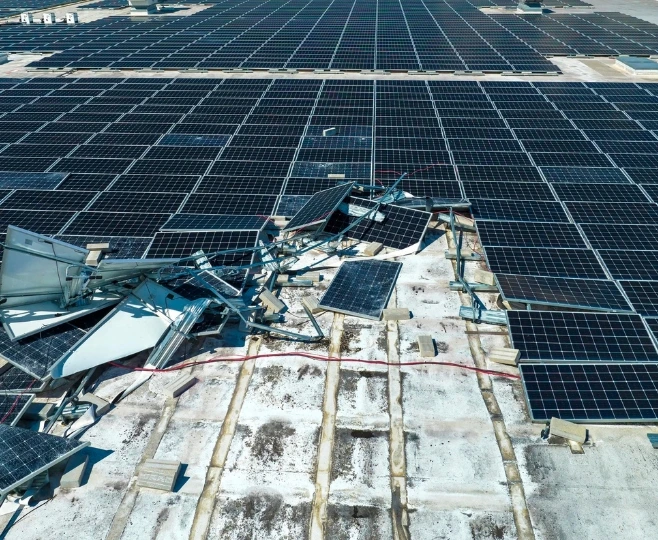
Solar panel decommissioning involves more than simply removing panels. Entire photovoltaic systems must be dismantled, transported, sorted, and processed responsibly, including panels, wiring, racking, inverters, mounting systems, and related infrastructure.
Solar Panel Recycling Co. supports residential, commercial, municipal, and utility-scale decommissioning projects with organized logistics, pickup coordination, material recovery, recycling support, and documentation. As a solar panel recycling company, Solar Panel Recycling Co. helps support responsible end-of-life management for photovoltaic systems and related solar infrastructure.
Our process also helps reduce landfill waste by supporting the recovery of reusable materials like glass, aluminum, silicon, and metals whenever possible.
For larger projects, organized recycling logistics can also help improve site cleanup, reduce storage issues, and simplify solar decommissioning planning.
● Common Scenarios
Solar panel decommissioning is the process of removing a solar energy system from a property or project site and responsibly managing the equipment after removal.
A full decommissioning project may include solar panels, inverters, transformers, wiring, racking, mounting systems, combiner boxes, electrical equipment, and other site infrastructure. For larger ground-mounted or utility-scale projects, decommissioning may also involve foundations, fencing, access roads, and site restoration.
Solar decommissioning is essentially the solar installation process in reverse. Instead of adding panels, wiring, and equipment to a site, the system is carefully dismantled, staged, transported, and routed for reuse, recycling, or material recovery. Having a recovery plan in place is important because panels and equipment should not be removed without a clear destination.
Solar systems may be decommissioned because of aging equipment, lower performance, storm damage, roof replacement, equipment failure, repowering projects, expired power purchase agreements, or land redevelopment. In some cases, a system is fully removed. In others, older panels are replaced with newer, higher-efficiency technology.
● What We Recycle
Solar projects usually involve more than panels. Solar Panel Recycling Co. helps recycle full solar system components so replacement, removal, and decommissioning projects are easier to manage.
We support solar decommissioning needs for homeowners removing outdated, damaged, or unwanted rooftop solar equipment.
Commercial buildings may need decommissioning support during roof replacements, building upgrades, property sales, or solar system replacement projects.
Industrial properties often have larger solar systems that require organized dismantling, pickup coordination, and recycling support.
Municipal buildings, schools, public facilities, and government properties may need responsible solar equipment removal and documentation.
Solar farms require large-volume planning for panel removal, equipment staging, transportation, sorting, and recycling.
Ground-mounted systems may involve panels, racking, posts, wiring, inverters, and site restoration considerations.
Solar Panel Recycling Co. helps customers manage the recycling and removal side of solar decommissioning with a practical, organized process.
We start by reviewing the project scope, site conditions, equipment type, estimated panel quantity, access requirements, and timeline. This helps determine the best approach for pickup coordination, transportation, sorting, and recycling support.
Before removal begins, the solar system must be safely shut down and prepared for dismantling. Electrical systems, damaged equipment, and site hazards should be addressed before panels and related components are handled.
Solar panels are processed for their recoverable materials, including glass, aluminum, silicon, metals, wiring, and related components whenever possible. In some cases, panels or equipment may also be evaluated for potential reuse depending on their condition and application.
Responsible recycling helps reduce landfill waste while supporting material recovery and the long-term sustainability of solar energy systems.
Decommissioning projects often involve bulk transportation and multi-load planning. We help coordinate pickup and transportation logistics for commercial, municipal, and utility-scale projects so retired solar equipment can move off-site efficiently.
Solar equipment is sorted by panel type, condition, and material composition. Recoverable materials such as glass, aluminum, silicon, wiring, metals, and electronic components may be routed through responsible recycling pathways whenever possible.
For qualifying projects, documentation can be provided to support sustainability reporting, project closeout, internal records, and compliance needs. This may include Certificates of Recycling or related documentation showing that retired solar equipment was handled responsibly.
● FAQ’s
Have other questions?
Solar panel decommissioning is the process of removing a solar energy system from a site and responsibly managing the panels, inverters, wiring, racking, and related equipment after removal.
Solar systems may be decommissioned because of age, lower efficiency, storm damage, roof replacement, repowering, land redevelopment, expired agreements, or equipment failure.
Most solar panels are designed to last around 25 to 30 years, although some may continue producing electricity beyond that point at reduced efficiency.
After removal, solar panels may be assessed for reuse, refurbishment, recycling, or material recovery depending on their condition and composition.
Decommissioning may include solar panels, inverters, transformers, wiring, racking, mounting systems, combiner boxes, junction boxes, batteries, fencing, foundations, and access infrastructure.
Yes. Damaged panels can often still be recycled, although cracked glass, exposed wiring, or compromised components may require careful handling.
Whether you are retiring an aging solar array, replacing outdated equipment, or managing a utility-scale solar farm decommissioning project, Solar Panel Recycling Co. helps coordinate organized removal, pickup, recycling, and material recovery solutions for end-of-life photovoltaic systems. As a solar panel recycling company, we support residential, commercial, municipal, and utility-scale projects with responsible decommissioning logistics and recycling support designed to keep reusable materials out of landfills.
Direct lines