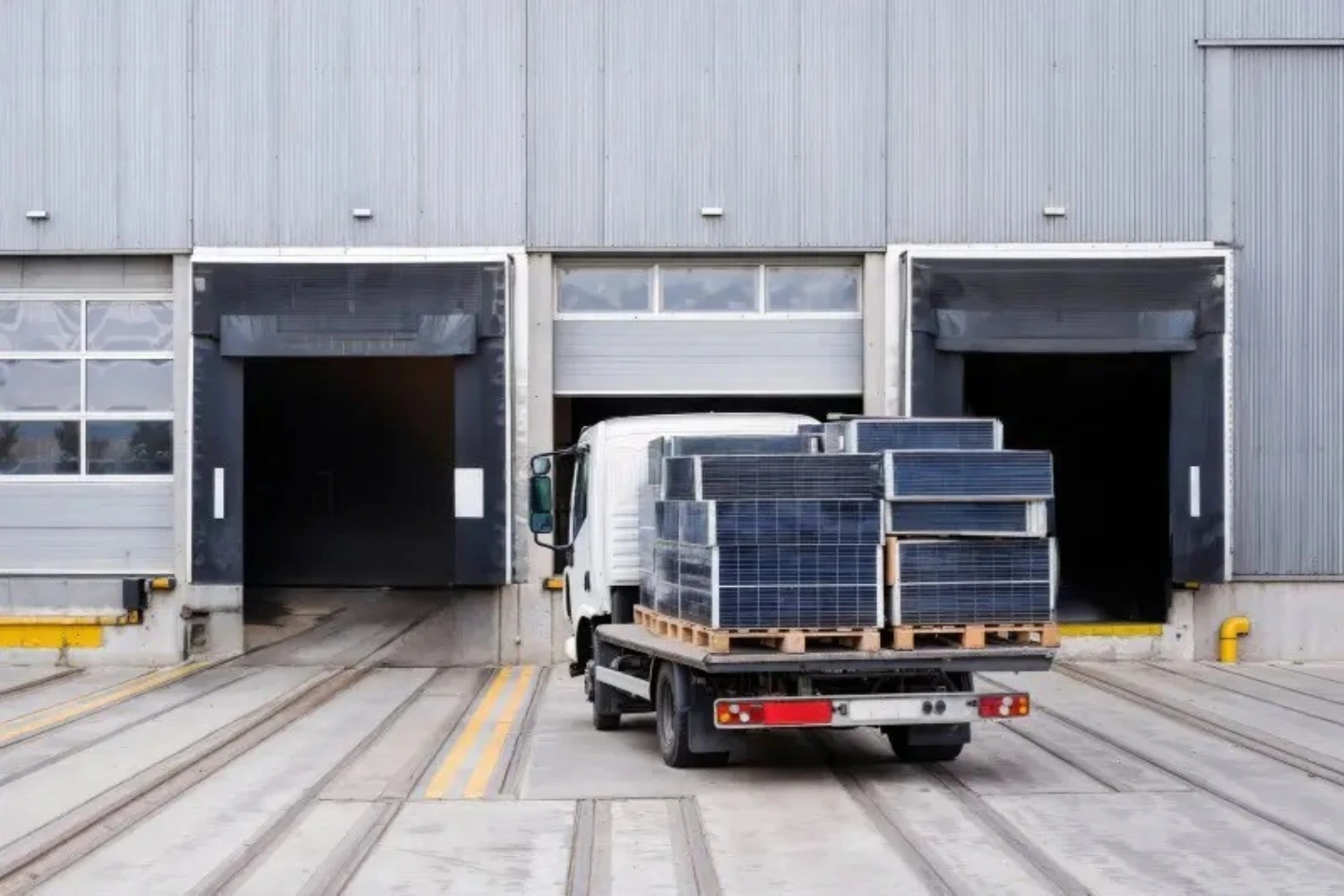
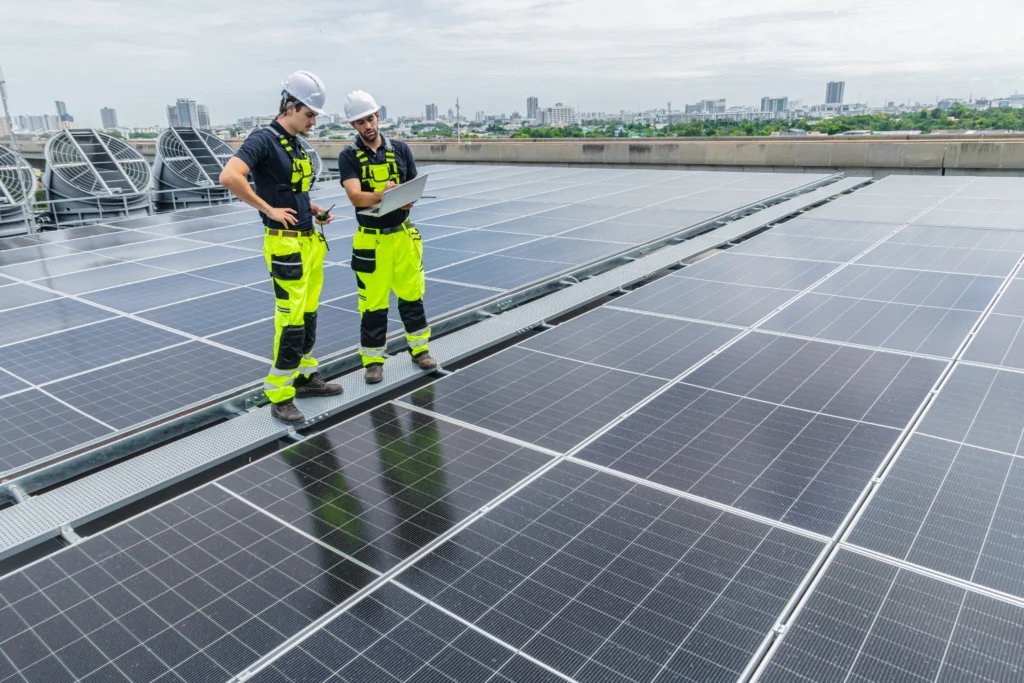
Whether you are removing damaged panels, replacing rooftop systems, cleaning up installer inventory, or managing a large decommissioning project, we help coordinate organized pickup and transportation solutions for retired solar equipment.
● Pickup for Every Project
Solar Panel Pickup Services for Every Project Size
Pickup services become more important when a project includes bulk material, damaged equipment, difficult access, or large commercial systems that need organized transportation.
Residential
Homeowners managing roof replacements, storm damage repairs, system upgrades, or full home solar removal projects.
Contractors & Installers
Solar installers, roofers, and contractors dealing with replaced panels, warranty returns, leftover inventory, and jobsite cleanup.
Commercial Properties
Warehouses, schools, office buildings, and commercial rooftops requiring organized pickup when panels are replaced or removed.
Utility-Scale & Solar Farms
Large solar farms generating thousands of retired panels during repowering, storm cleanup, or full decommissioning work.
● What We Pick Up
Solar Equipment We Help Recycle
Solar projects usually involve more than panels alone. Pickup services can include related photovoltaic system equipment and infrastructure.
Monocrystalline, polycrystalline, and thin-film from all project types.
Inverters & Converters
Electronic components and wiring handled responsibly.
Wiring & Junction Boxes
Electrical components included with solar removal projects.
Racking & Mounting Hardware
Rails, brackets, and hardware from removal or decommissioning projects.
Combiner Boxes
Common in commercial and utility-scale systems, routed through responsible recycling.
Damaged Equipment
Cracked, non-working, or compromised panels handled with additional care.
● Get Started
Schedule a Solar Panel Pickup
Whether you are replacing a rooftop system, managing installer inventory, cleaning up damaged panels, or coordinating a large solar decommissioning project, our team supports organized solar panel pickup services for residential, commercial, municipal, and utility-scale projects.
Our pickup process is designed to make solar recycling easier to plan, whether you have a few panels or a large-volume project.
1
Tell Us About Your Project
Share the panel type, estimated quantity, location, condition, and whether related equipment is included. This helps us understand the scope and recommend the right next step.
2
Pickup Planning & Coordination
We help coordinate scheduling, access details, transportation needs, and site requirements. For larger projects, this may include staging discussions, load planning, and coordination around project timelines.
3
Safe Removal & Transportation
Panels and related equipment are prepared for pickup based on project size and material condition. Damaged panels, bulk loads, and mixed solar equipment may require additional planning.
4
Sorting & Recycling
After pickup, solar equipment is assessed and sorted by panel type, condition, and material composition, then routed toward appropriate recycling pathways for material recovery.
5
Recycling Documentation
For qualifying projects, Certificates of Recycling and related documentation can be provided to support project records, sustainability reporting, and internal compliance needs.
● Common Scenarios
Common Solar Pickup Scenarios
Roof Replacement Projects
Solar panels removed before a roof replacement or major repair need a clear recycling path once taken off the roof.
Storm-Damaged Panels
Damaged panels from storms, falling debris, or system failures need careful handling and responsible disposal.
Solar Upgrades & Repowering
Older panels replaced with newer equipment still need a responsible end-of-life plan before the project closes.
Installer Warehouse Cleanup
Scheduled pickups help solar installers clear accumulated replaced panels, defective modules, and warranty returns.
Commercial Building Replacement
Large rooftop commercial systems create high panel volumes during replacement or upgrade work requiring organized logistics.
Solar Farm Decommissioning
Large volumes of panels, inverters, racking, and wiring requiring coordinated pickup and recycling logistics.
● Why Choose Us
Why Choose Solar Panel Recycling Co.
Built Around Solar Projects
Our pickup process is designed around the real-world needs of solar panel removal, replacement, and decommissioning projects.
Residential to Utility-Scale
We support a wide range of project sizes, from residential rooftop systems to commercial properties and solar farms.
Organized Recycling Logistics
Solar recycling requires more than a truck. We help coordinate the steps needed to move retired equipment into the proper recycling process.
Responsible Material Handling
Panels, inverters, wiring, racking, and related equipment are handled with responsible recycling and material recovery in mind.
Documentation Available
For qualifying projects, documentation supports sustainability reporting, compliance records, and project closeout requirements.
Panels and All Related Equipment
We help with inverters, converters, wiring, junction boxes, combiner boxes, racking, and mounting hardware — not just panels.
● FAQ’s
Frequently Asked Questions About Solar Panel Pick Ups
Common questions about solar panel pickup services, transportation coordination, damaged panels, and project logistics.
Yes. We support smaller residential pickup projects as well as larger commercial and utility-scale loads. Pickup planning may vary depending on quantity, location, and panel condition.
Yes. Cracked, storm-damaged, non-working, or compromised panels can often still be picked up. Damaged equipment may require additional staging or handling precautions before transportation
We help coordinate pickup for monocrystalline, polycrystalline, and thin-film solar panels from residential, commercial, municipal, and utility-scale projects.
Yes. We support commercial rooftop systems, industrial properties, municipal projects, and utility-scale solar farms that require organized pickup and transportation coordination.
Panels should generally be stacked safely, kept accessible, and separated from unrelated debris when possible. Sharing project details ahead of time helps us coordinate the right pickup plan.